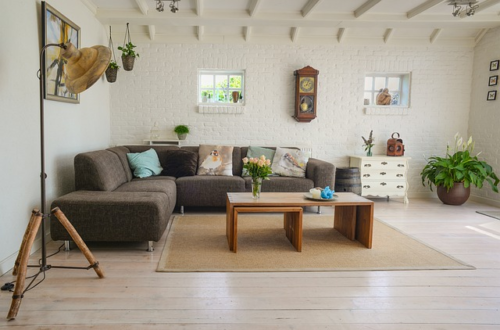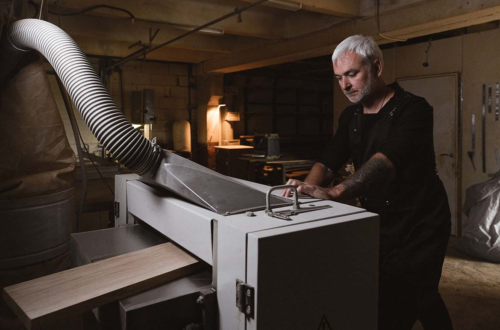
Custom furniture is not only about filling a room. It is about shaping a daily environment that influences mood, comfort, and identity. When woodworking and design are treated as equal partners, furniture becomes more than an object—it becomes a piece of lived experience. That idea sits at the heart of artisan workshops that build with intention: natural materials, thoughtful forms, and a focus on longevity rather than fast trends.
A strong custom-furniture philosophy often begins with a simple love of nature and materials. Wood is unique because it carries a visible history. Grain patterns, knots, and color shifts are reminders that the material was once living. When a workshop respects those features rather than hiding them, the result feels warm and honest. This is one reason people return to wood again and again even in modern interiors filled with glass and metal. Wood brings softness without becoming fragile, and it ages in a way that can feel meaningful instead of outdated.
The best craft culture also has a human story behind it. Many workshops are born from friendship, shared projects, and the slow realization that a hobby can become a serious practice. Often, two different backgrounds create the best balance: one person brings hands-on building experience, the other brings design sensitivity and visual discipline. When those strengths meet, furniture can be both technically strong and visually coherent. Function is not sacrificed for aesthetics, and beauty is not treated as decoration—it is treated as structure.
Design begins before the first cut. It begins with questions. What is the piece for? Who will use it? What does the space demand—lightness, weight, minimalism, softness? What type of movement will happen around it? A table is not only a surface; it is a gathering point. A chair is not only a seat; it is posture, comfort, and long-term support. A shelf is not only storage; it is how a home expresses what it values. When custom furniture is planned carefully, it can solve problems that mass-produced pieces ignore: awkward corners, unusual room dimensions, specific storage needs, or the desire for a cohesive aesthetic across a whole interior.
Material choice is part of that problem-solving. Different woods behave differently. Some are dense and heavy, ideal for stability. Others are lighter and more flexible, ideal for certain forms. Grain direction matters for strength. Moisture content matters for long-term durability. Finish matters for daily use—how the surface responds to spills, sunlight, scratches, and cleaning routines. Craft furniture is often loved because it feels reliable. That reliability is not magic; it is the result of disciplined decisions.
Construction methods also matter. Good woodworking is not only about joining pieces together; it is about joining them in ways that survive time. Traditional joinery, careful reinforcement, and attention to stress points can make furniture feel “quiet” in the best sense: no wobble, no squeak, no feeling of temporary assembly. A well-built piece communicates confidence through touch. It feels stable without feeling heavy-handed.
Design language is what turns craft into a recognizable style. Many modern wood workshops embrace a clean, minimal approach that lets materials speak. Others lean into rustic warmth, celebrating texture and visible marks. Many find a middle path: modern lines with natural personality. This balance is particularly strong when the workshop values both woodworking and design, because it avoids extremes. It doesn’t chase cold minimalism that feels lifeless, and it doesn’t chase rustic nostalgia that overwhelms a modern space. Instead, it creates pieces that can live comfortably in real homes.
Sustainability is another reason people seek artisan furniture. A custom piece is often made to last, repaired if needed, and kept for many years. That reduces waste compared to disposable furniture cycles. Sustainability also appears in the respect for materials: using wood thoughtfully, avoiding unnecessary waste, and choosing finishes that support long-term use. “Sustainable” is not only a label; it is a behavior built into the process.
A custom furniture relationship also changes how people see their homes. When someone participates in the design—choosing dimensions, discussing needs, selecting finishes—the piece becomes personal. It reflects real life rather than generic assumptions. That creates emotional value, which is often the missing ingredient in modern consumer culture. People do not only want objects; they want meaning.
In the end, woodworking and design succeed together when they serve the same purpose: improving daily life. A well-made piece does not demand attention, but it earns attention over time. It supports routines, looks better as it ages, and becomes part of the home’s identity. That is the promise of craft furniture at its best—built with skill, shaped with taste, and designed to be lived with.