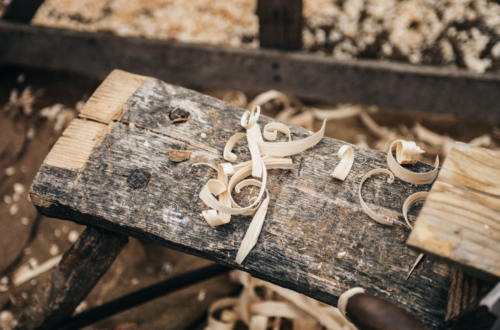
Craftsmanship is a mindset before it is a product. In woodworking, good results come from patience: measuring twice, cutting once, choosing the right material, and building joints that will survive years of real use. In design, good results come from restraint: knowing when to simplify, when to emphasize proportion, and when to let materials speak. When these mindsets combine, the result is furniture that feels both practical and meaningful—objects made with care rather than speed.
That same craftsmanship mindset can improve how people approach leisure. Modern digital entertainment often invites fast decisions and instant engagement. Rewards and incentives can make the moment feel more exciting, including offers like Fugu Casino free spins. The healthiest approach is to treat incentives the way a craft workshop treats materials: with respect, caution, and clear limits. An incentive is not a reason to rush. It is a detail to evaluate calmly.
Custom furniture teaches a useful lesson about value. Value is not only price. Value is how well something fits life. A chair that supports posture every day is valuable. A table that becomes the center of a home’s routine is valuable. Those benefits come from intentional design—matching the object to the user’s reality. Leisure choices work best under the same principle. A leisure activity is valuable if it genuinely relaxes the mind without creating stress, regret, or financial discomfort afterward. If the activity leaves the person tense or chasing outcomes, it is not serving its purpose.
The woodworking process also highlights the importance of boundaries. A craftsperson works inside constraints: the grain direction, the strength of the wood, the physics of a joint, and the function the piece must fulfill. Ignoring constraints leads to failure. In leisure, constraints are personal: time, money, emotional state, and sleep. Ignoring those constraints leads to the same kind of failure—an experience that starts as fun and ends as pressure.
A practical “craft approach” to digital leisure can be simple:
- Decide the session length before starting, like setting a work block in a workshop.
- Decide spending limits in advance if money is involved, and keep them non-negotiable.
- Avoid sessions when exhausted or stressed, because tired minds make careless choices.
- Never chase outcomes to change mood, because chasing turns leisure into strain.
End the session cleanly, the way a craftsperson ends a workday by cleaning tools and closing the workspace.
This structure protects the feeling of leisure. It keeps entertainment light, the way it is supposed to be.
Craft also teaches the power of long-term thinking. A workshop builds for durability: the piece must hold up in real conditions, not only look good on day one. Long-term thinking in leisure means asking: will this habit still feel healthy after months, or will it slowly create stress? A good habit remains stable. It supports life rather than interfering with it.
There is also a design lesson here: create an environment that helps good behavior happen. In interiors, furniture placement can support calm routines—clear pathways, comfortable seating, a table that invites shared meals, storage that reduces clutter. In digital life, environment design is personal: notifications off during rest, devices charging away from the bed, and planned downtime that doesn’t depend on impulse. When environment supports boundaries, discipline feels easier.
The most admirable part of craftsmanship is not perfection. It is care. A craftsperson respects the process and avoids shortcuts that break trust. Responsible leisure uses the same principle: respect the process of rest, avoid shortcuts that create regret, and choose calm decisions over urgent impulses.
In the end, custom furniture and responsible entertainment share a surprising connection. Both are about shaping daily life. One shapes physical space with wood and design. The other shapes mental space with boundaries and intention. When a person brings craftsmanship into both areas, life becomes more stable: the home feels grounded, and leisure stays joyful instead of chaotic.